Knowledge
hub
Advancing the craft of UX through shared knowledge, strategic standards, and hands-on mentorship.
User Experience practice
The logic behind the feeling
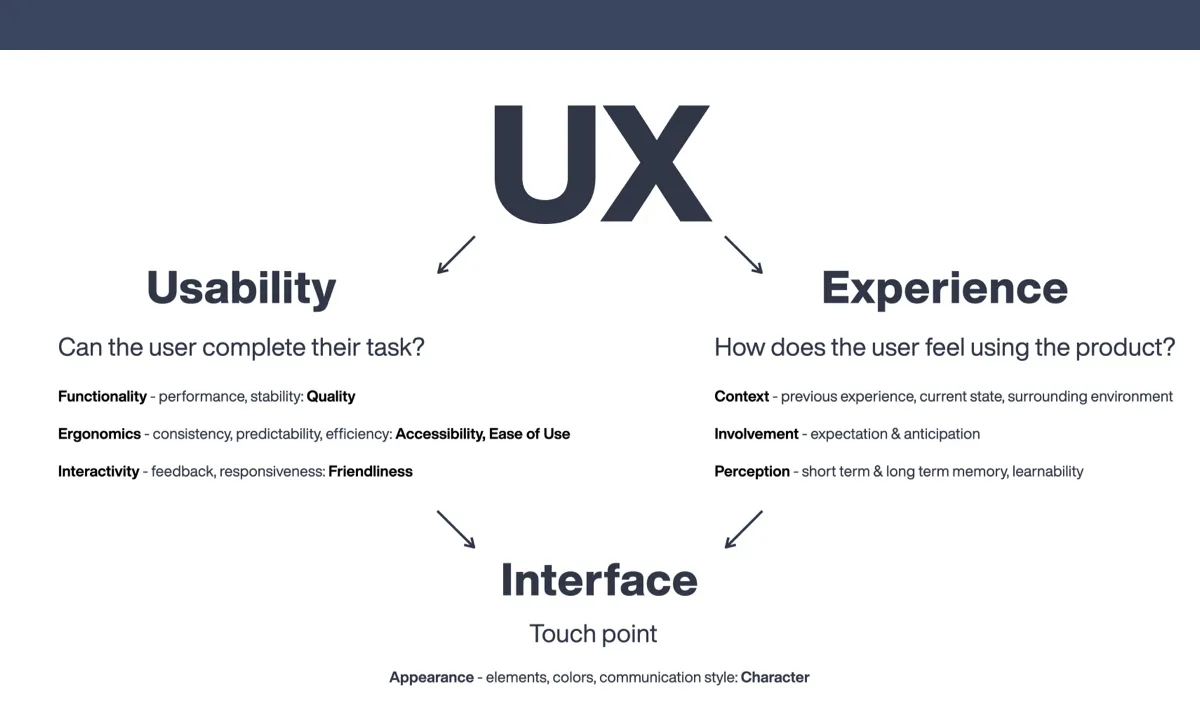
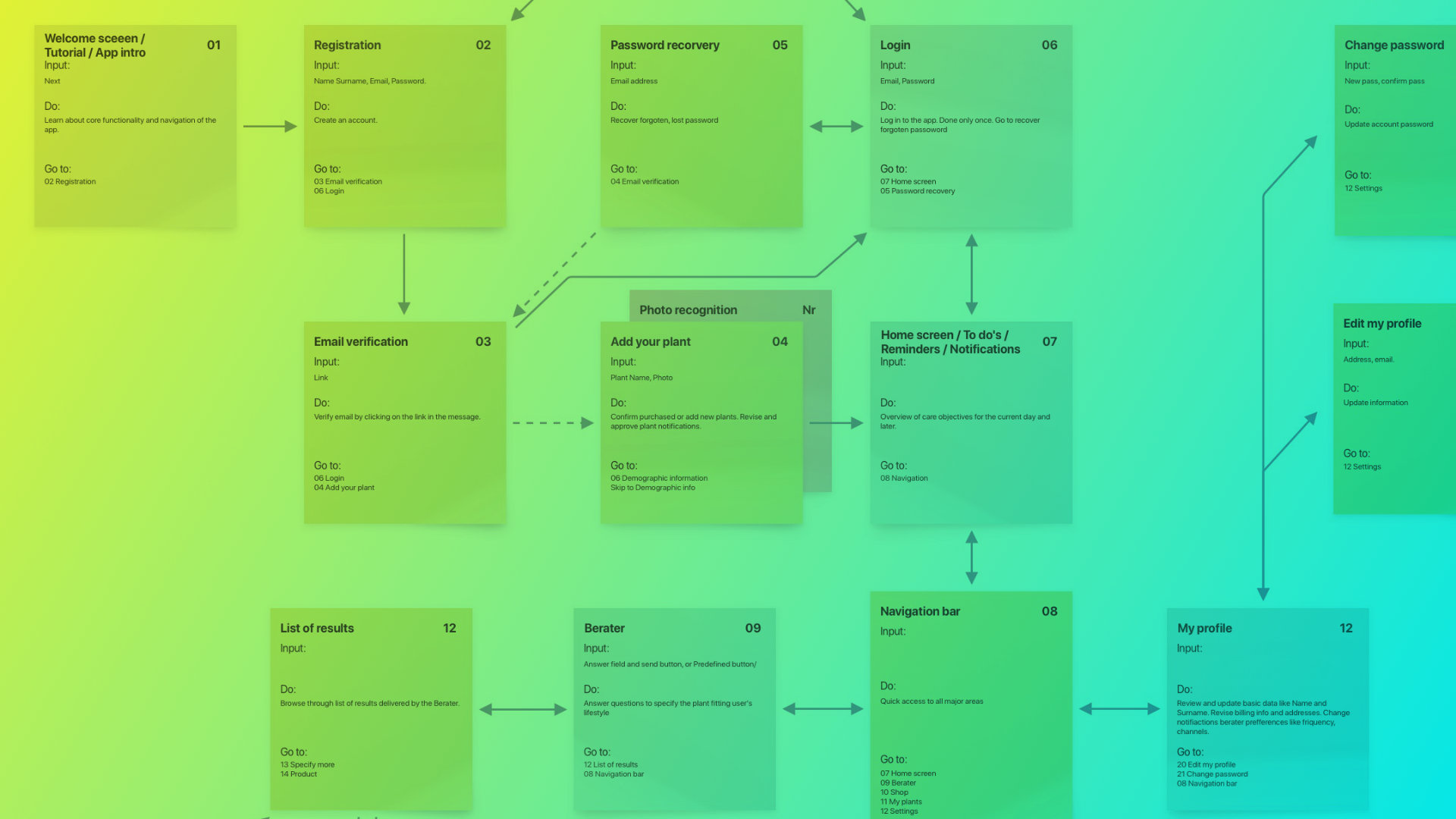
User Experience (UX) is often mistaken for just aesthetics, but it is fundamentally about the structural alignment of human behavior and business objectives. Briefly about UX:
My goal is to equip the next generation of designers with the precision and empathy needed to foster deep, long-term connections between people and digital products.
Foundational insights
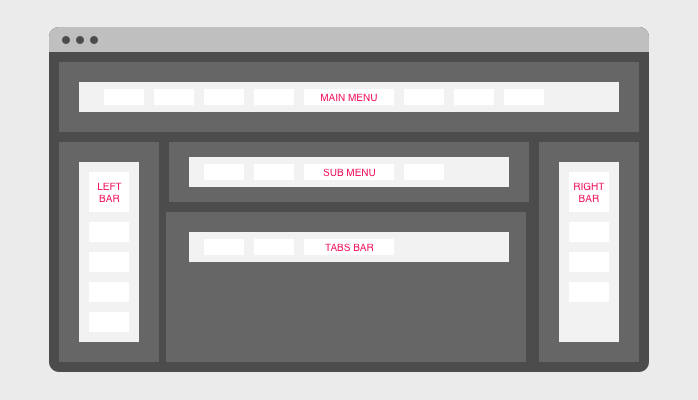
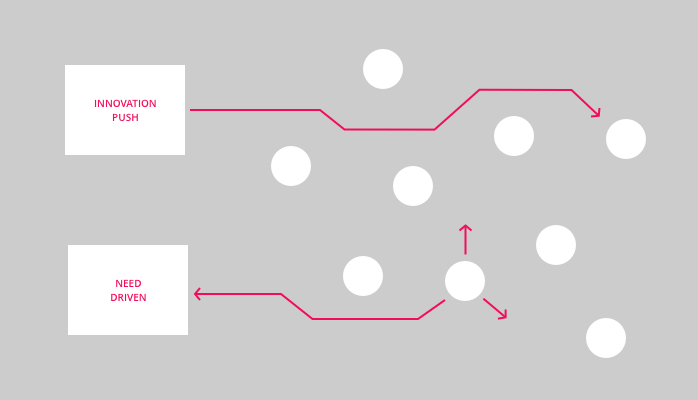
A collection of technical observations and founding principles derived from over a decade of practice. These articles explore the mechanics of usability, from cognitive load to structural predictability.



Mastering the craft
Prioritize a transition from "pixel-pushing" to strategic design engineering
Whether you are a student, a mid-level designer, or a project owner, my goal is to provide you with a research-led framework for building products that stand up to technical and market scrutiny. By learning to balance Technical Precision with Human Ergonomics, you move beyond making things "look good" to making things work perfectly.
Logic design
Learn to identify and apply durable, scalable design logic. I teach on how to ignore out-of-blue aesthetic fads in favor of timeless appearance and usability standards that ensure a product's longevity.visualization art
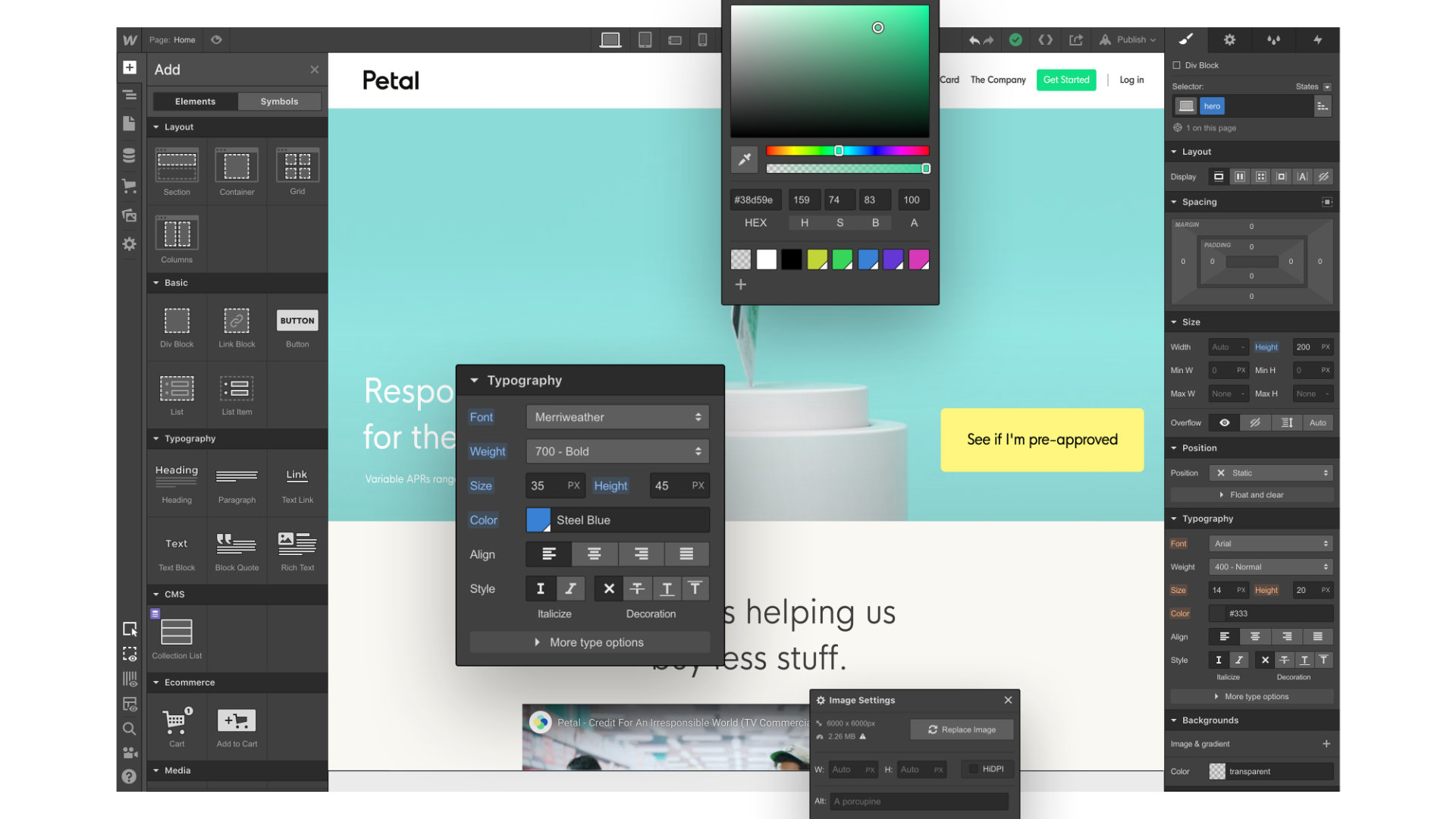
Acquire the ability to translate business requirements into tangible, interactive prototypes. I show how to use high-fidelity prototyping as a communication tool to align teams and de-risk development.systems approach
Master the modular design systems to build and govern element libraries that empower product growth. I explain how to avoid the "technical debt" that often slows down scaling companies.
Courses & workshops
Knowledge is only valuable when applied
My sessions are designed to take the high-level principles of Product Logic and turn them into actionable technical skills.
About E
Seasoned designer, writer and mentor
I dedicate significant effort to capture the founding laws of high-grade design. My mission is to break down complex architectural principles into practical, actionable advice.
Learn more about me