Interfaces & Design Systems
User Interface
Design
Seamlessly bridging humans & machines
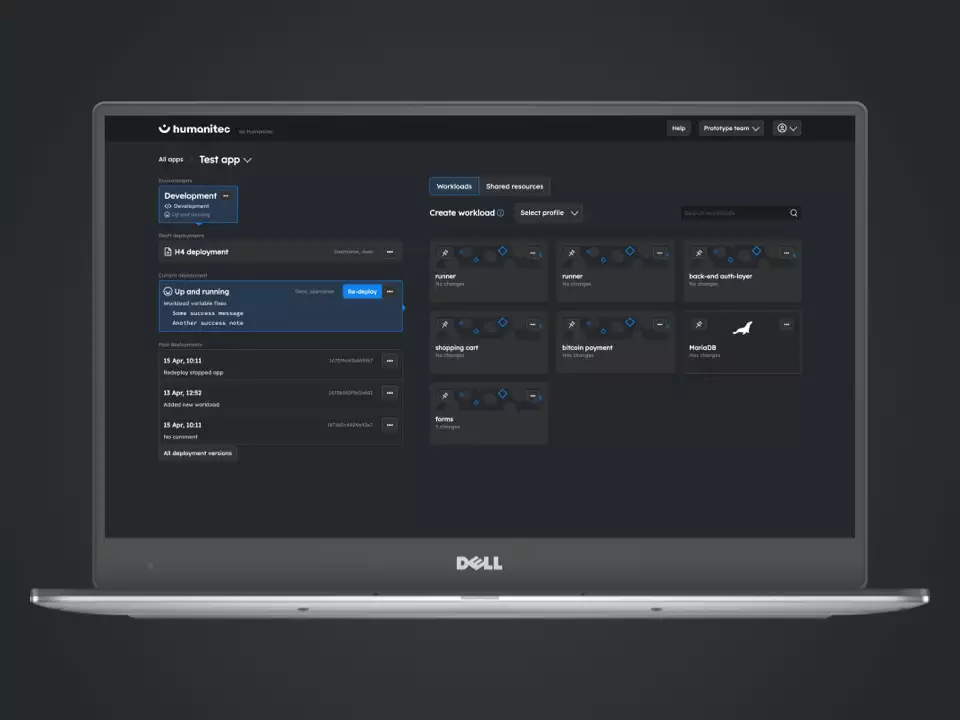
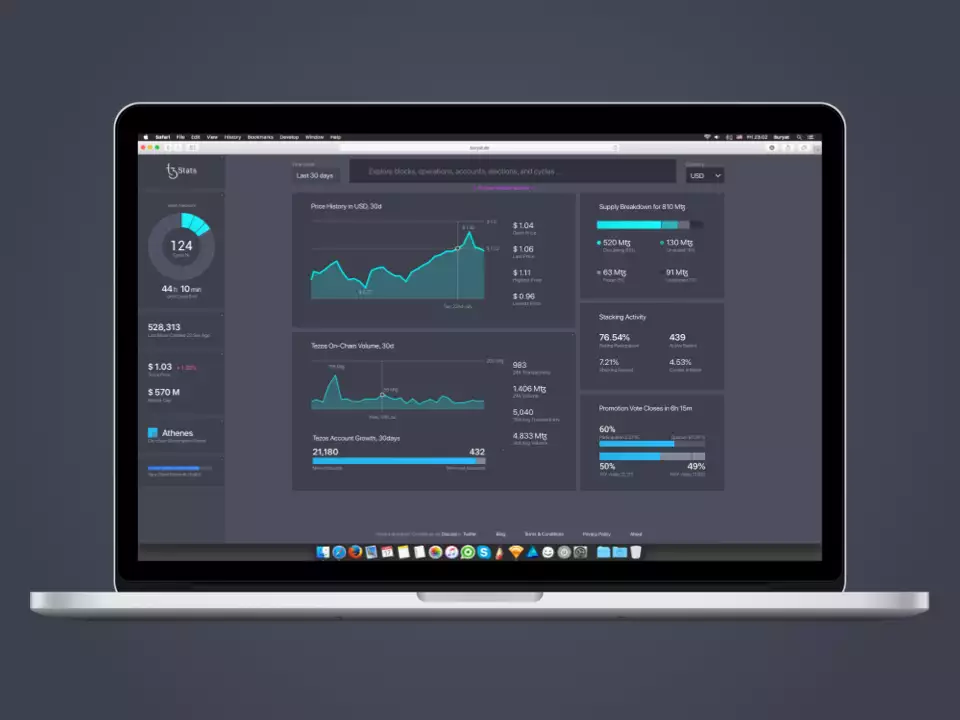
User Interface (UI) design focuses on creating a clear and natural connection between people and technology. The goal is to design interfaces that are visually calm, structurally sound, and easy to operate. A well designed interface strives to timeless appearance and has to support users without drawing attention to itself, allowing technology to feel understandable rather than complex.
My approach combines combines an understanding of ergonomics, perception, and interaction patterns with the functional realities of software and hardware. This balance allows interfaces to remain efficient, intuitive, and robust, even as products grow in complexity.
Systemic cohesion
Design systems reduce long-term maintenance costs by eliminating redundant design cycles.
Building cohesive interfaces, not isolated screens
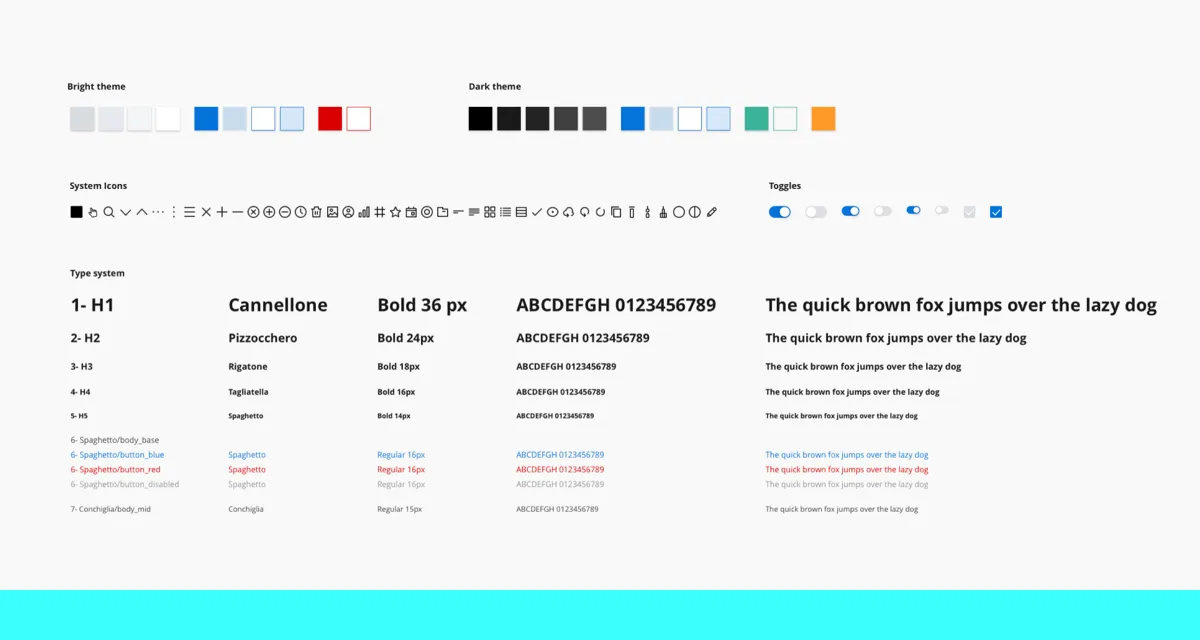
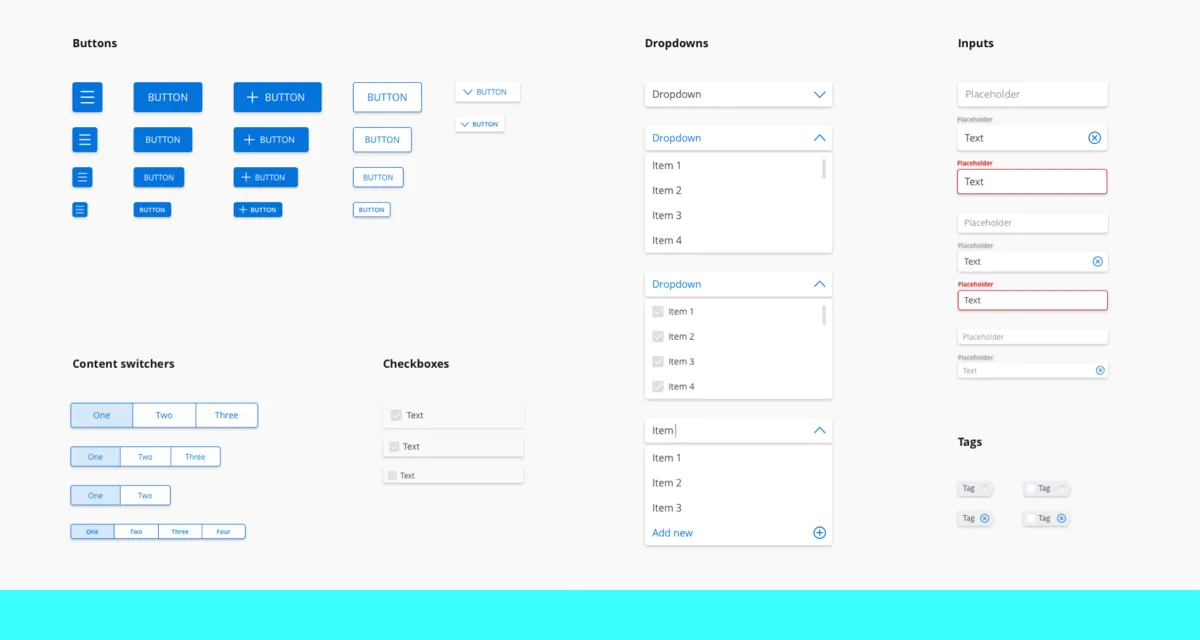
Using Figma and Sketch, I develop component-based libraries that act as the single source of truth for a product. In complex environments such systemic approach is vital for maintaining user trust and eliminating interface fragmentation.
Embracing design systems
Consistent and scalable interfaces are built on well structured design systems. I rely on design systems to create clarity, reduce mess, and support long term product evolution. Reusable components, clear rules, and shared language help teams work efficiently while maintaining consistency across complex interfaces.
Interaction design
UI design is also about crafting effortless interactions
In the essence of UI design lies asthetical aspects of design, yet it is not static. The goal is to create comprehansive look and feel, where the result is an interaction experience that feels considered, reliable, and coherent across different contexts of use.
system Feedback
Every interaction must provide immediate, clear feedback aka afforance. I design measured hover states, active transitions, and loading skeletons that guide the user’s eye and confirm their actions, reducing the perceived latency of complex systems.In-between states
Mapping out the 'edge cases' empty dashboards, data-loading transitions, and error recovery flows. I design for every possible state, making system trusworthy, reliable and professional even when data is missing or processes fail.Purposeful motion
Animation is used to reduce cognitive load, not to distract. I utilize motion to establish spatial relationships showing users where a menu originated or how a data point moved ensuring the interface feels physically intuitive.
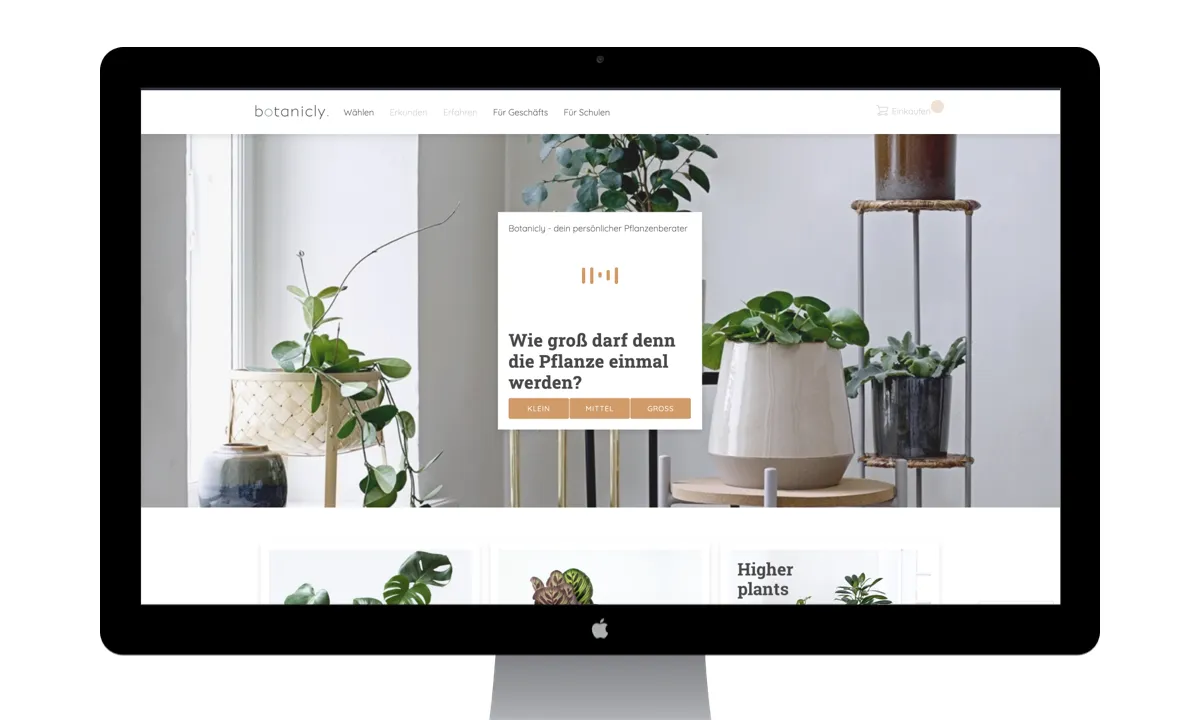
From blueprint to construction
Design workflow for the best interfaces
Design is an evolutionary process. Rather than jumping into polished visuals, I start from sketches iterating to higher level of details sticking to the LEAN UX flow which minimizes waste and maximizes results at every stage.
Check LEAN UX flow1. Paper sketches
We start with low-stakes paper sketches and sticky notes. The goal is to solve the logic and hierarchy before a single pixel is moved. This is the fastest way to align stakeholders on the core journey.2. Figma and Sketch design
Low, mid and high-fidelity with coherent flow logic, visual language, and detailed component designs.3. Webflow development
Production-grade for web that focuses on implementation and deployment to staging or life environemnts covering, HTML, CSS, real-time responsiveness.
Efficacy & Excellence
Transforming complexity into products people understand
Designing interfaces for complex systems is about making the right decisions early. I focus on reducing complexity, building scalable design systems, and delivering products that are easier to build, maintain, and use.