Webflow development
Parallel evolution
In 2014, while building my own startup, Webpgr, I was deep in the pursuit of a tool that could bridge the gap between complex design and production-level code. We were targeting the same professional designer niche as Webflow. While our startup eventually dissolved, Webflow secured the momentum to scale.
Knowing the web builders from the inside, I recognized Webflow as the main platform that didn't compromise on code integrity. Clean and efficient production ensures exceptional design performance and stability, leaving other platforms like Wix, SquareSpace, and WordPress in the dust.
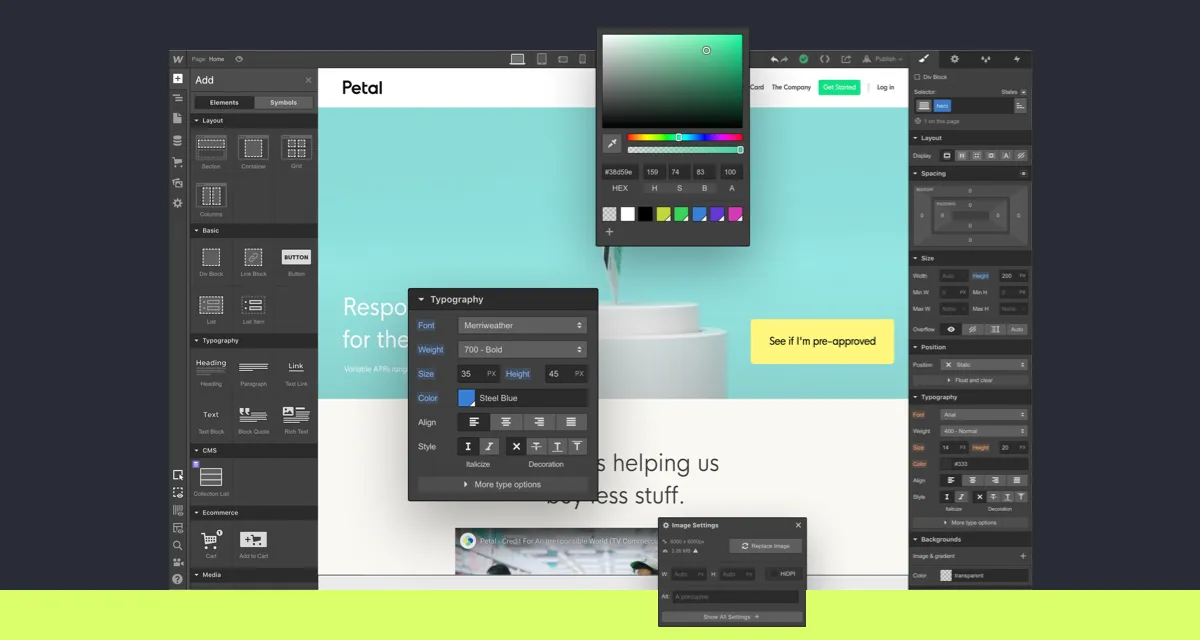
I transitioned my web development processes to Webflow because it served a specific professional need: the ability to build complex, scalable front-end without the friction of traditional handoff. Today, I use it as my primary engineering environment for everything from rapid prototyping to full-scale enterprise portals.
Strategic advantages
Supercharging design and development processes with Webflow
Production-ready prototypes
In Webflow I build interactive environments that use interactions and real data, allowing stakeholders to experience the product logic before a single line of backend code is written.Systemic scalability
Utilizing class-based CSS and CMS-driven architecture, I build sites that are easy to maintain and evolve. This mirrors the "Design System" approach I apply to all my UI work.Clean code export
Unlike other builders (Wix/Squarespace), Webflow generates clean, semantic HTML/CSS. This allows for seamless integration with external dev teams or migration to custom stacks if the project outgrows the platform.
Rapid prototyping
Engineering in the browser
I use Webflow to bridge this gap, accelerating delivery by up to 50%. By building high-fidelity, functional environments rather than static pictures, I maintain absolute control over the front-end logic. This allows us to move from a prototype to a deployable design without losing the nuances of the interface.
Reducing translation to code gap
Traditional handoffs rely on static mockups that fail to communicate complex logic, data states, and interaction density. This creates a "translation gap" where the final build often drifts from the intended user experience, leading to costly late-stage revisions.
- Visual programming allows for building intricate responsive layouts without traditional coding.
- Immediate updates accelerate the iteration cycle and allow for real-time interface refinement.
- High-fidelity Interaction creates prototypes that behave exactly like the final digital product.
- Clean code export provides semantic HTML and CSS for a frictionless developer handoff.
- Integrated CMS enables testing with real-world data to ensure structural logic is robust.
UX optimization
Stress-testing logic in the browser
A prototype is only as good as the insights it generates. I use these functional environments to conduct Usability Testing, identifying bottlenecks in real-time. By observing how users interact with a "live" prototype, we can refine the UX and implement data-driven changes before a single line of backend code is written.
Expertise examples
Where precision meets performance
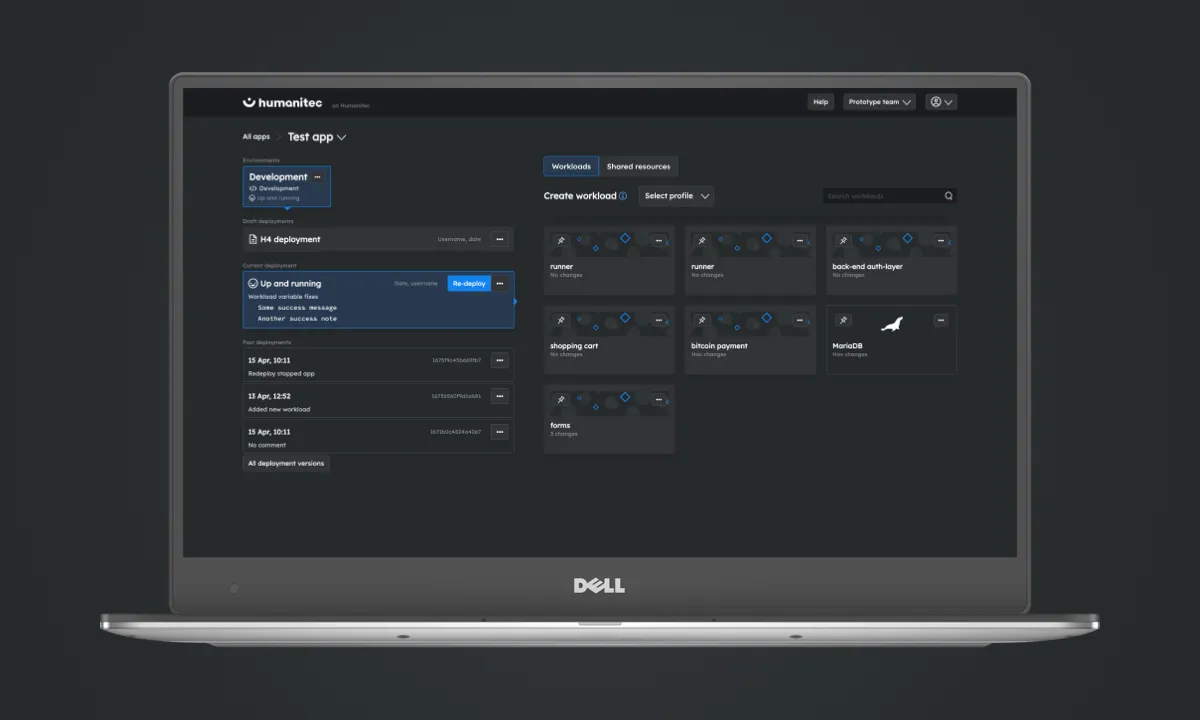
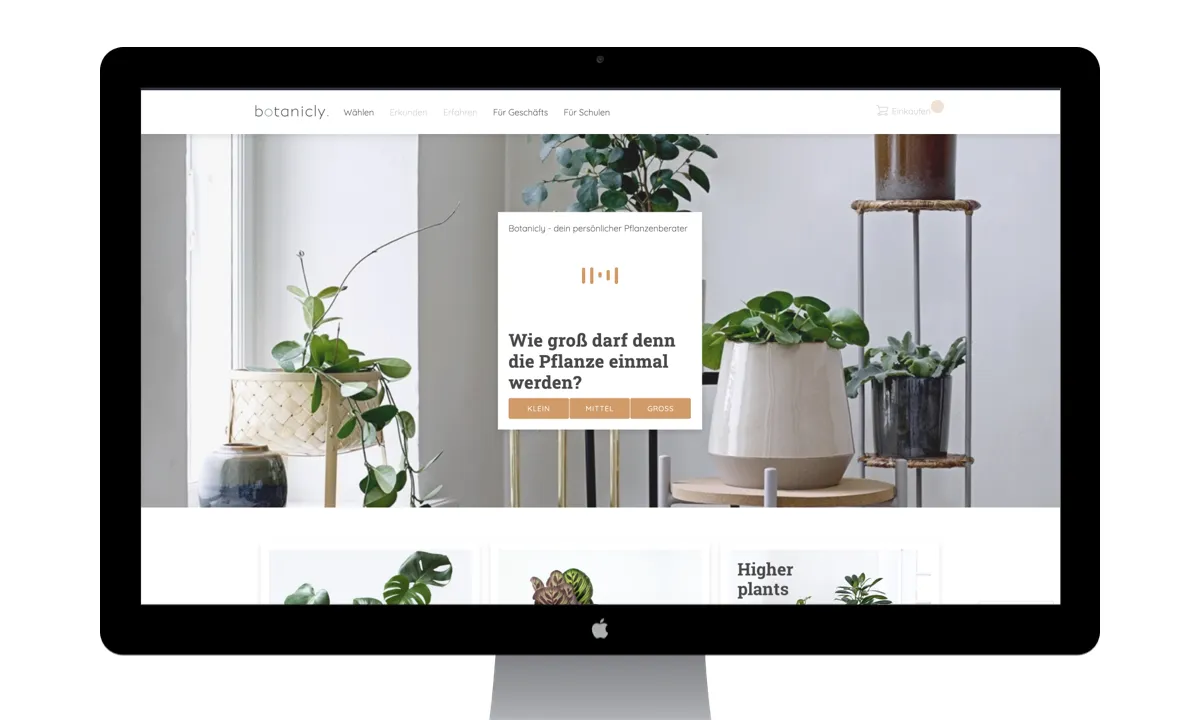
Development requires more than just execution. I use Webflow to solve logic mistakes, development problems, and interaction challenges, ensuring the front-end is as robust as the brand it represents.
Certified excellence
As a Certified Webflow Expert, I provide the highest standard in platform proficiency. This isn’t just about building sites; it’s about ensuring every project follows industry-leading logic, clean code standards, and performance benchmarks.

I am available for jobs. Let’s discuss your buisness goals and project requirements.